Hilmaland: A Script Font for Web Design
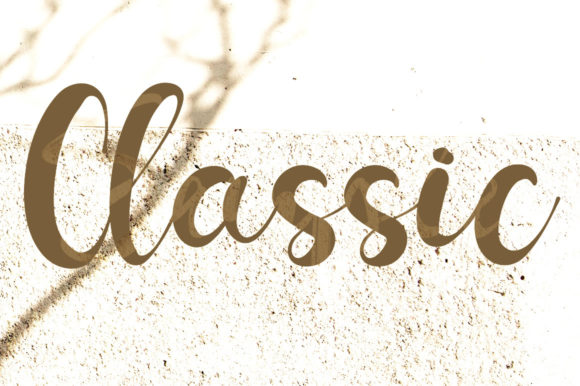
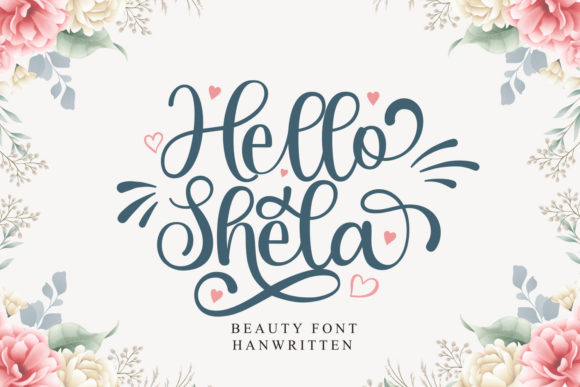
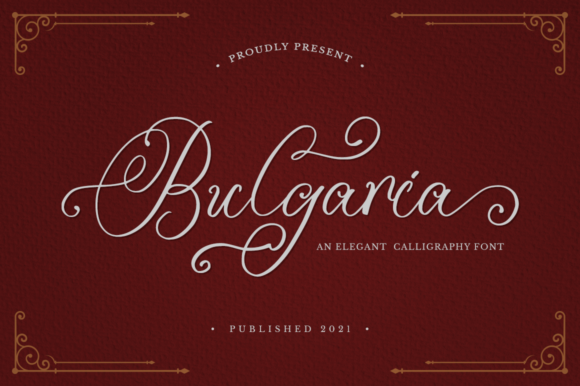
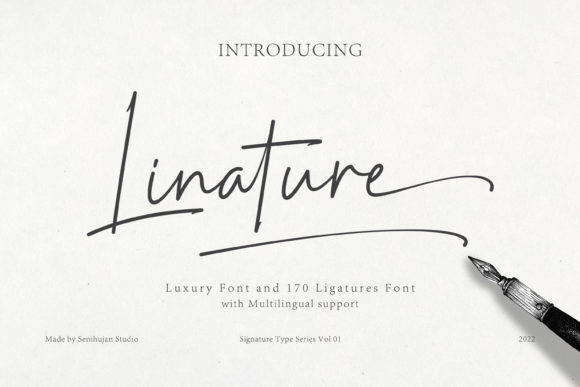
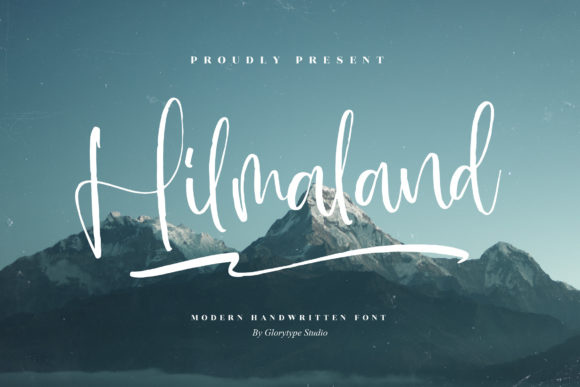
Hilmaland is a script font that brings a natural and authentic feel to digital typography. Its elegant, flowing characters evoke a sense of poetry and romance, making it ideal for web design projects that require a personal touch. As a web designer, I often look for fonts that can enhance visual storytelling while maintaining readability across different platforms.
The personality of Hilmaland is refined yet approachable. It works well in both digital and print contexts, offering a handwritten aesthetic that feels genuine. This font is particularly effective when used as a display typeface, adding character to headers, logos, and decorative elements without overwhelming the overall layout.
Using Hilmaland in Web Design
For website headers and hero sections, Hilmaland adds a unique flair that captures attention. It’s perfect for landing pages, especially those focused on creative industries like art, fashion, or coaching. When paired with a clean sans serif for body text, it creates a balanced contrast that improves readability and visual hierarchy.
In online stores, Hilmaland can be used for banners, product titles, or taglines. It gives a boutique feel to e-commerce sites, helping to build brand identity and customer trust. For blog graphics or social media posts, its expressive strokes make content more engaging and visually appealing.
On portfolio sites, Hilmaland can be used for project titles or client testimonials. It helps convey professionalism while maintaining a human touch. For course sales pages, it adds a personal and inviting tone, encouraging visitors to take action.
Readability and Visual Hierarchy
While Hilmaland is a script font, it remains readable even at smaller sizes. However, it’s best suited for short phrases rather than long paragraphs. In responsive layouts, ensure that the font size adjusts appropriately for mobile screens. Avoid using it on dark backgrounds or image overlays unless the contrast is strong enough to maintain legibility.
When using Hilmaland for call-to-action buttons, keep the text brief and use it as a decorative accent rather than the primary text. It works well for headlines, subheadings, and logo text, where its artistic qualities can shine without compromising usability.
Font Pairing and Brand Identity
Pairing Hilmaland with a simple sans serif or serif font creates a harmonious balance. For editorial designs, combining it with a classic serif enhances the overall elegance. For modern websites, pairing it with a geometric sans serif adds a contemporary edge while keeping the design clean.
When building a brand identity, Hilmaland can serve as a key element in the typography system. Use it consistently across all digital assets, from website headers to email templates. This consistency reinforces brand recognition and strengthens the emotional connection with the audience.
Practical Considerations
Before using Hilmaland in a project, check the available styles, weights, and file formats. Ensure that the font supports the languages you need, especially if your audience is global. Webfont availability is crucial for seamless integration into websites and digital products.
Commercial licensing is another important factor. Make sure the font license covers use on websites, client projects, and online stores. Always review the terms to avoid any legal issues down the line.
Hilmaland is more than just a pretty font—it’s a tool that can elevate the visual appeal of digital experiences. Whether you’re designing a creative portfolio, a boutique online store, or a coaching website, this script font offers a unique way to express your brand’s voice and style.
As a web designer, I find that Hilmaland excels in situations where authenticity and emotion matter. It helps create a more personal connection with users, making their experience on the site more memorable and engaging.
By understanding how to use Hilmaland effectively, designers can harness its strengths while avoiding common pitfalls. With the right approach, this font can become a valuable part of any digital design toolkit.